
Singapore is a modern metropolis known for its cutting-edge architecture and economic prowess, but beneath its shiny surface lies a deep and fascinating history that has shaped the island nation’s identity. Exploring Singapore’s historic places offers a window into its multicultural roots, colonial past, and the traditions that continue to influence its vibrant society today.
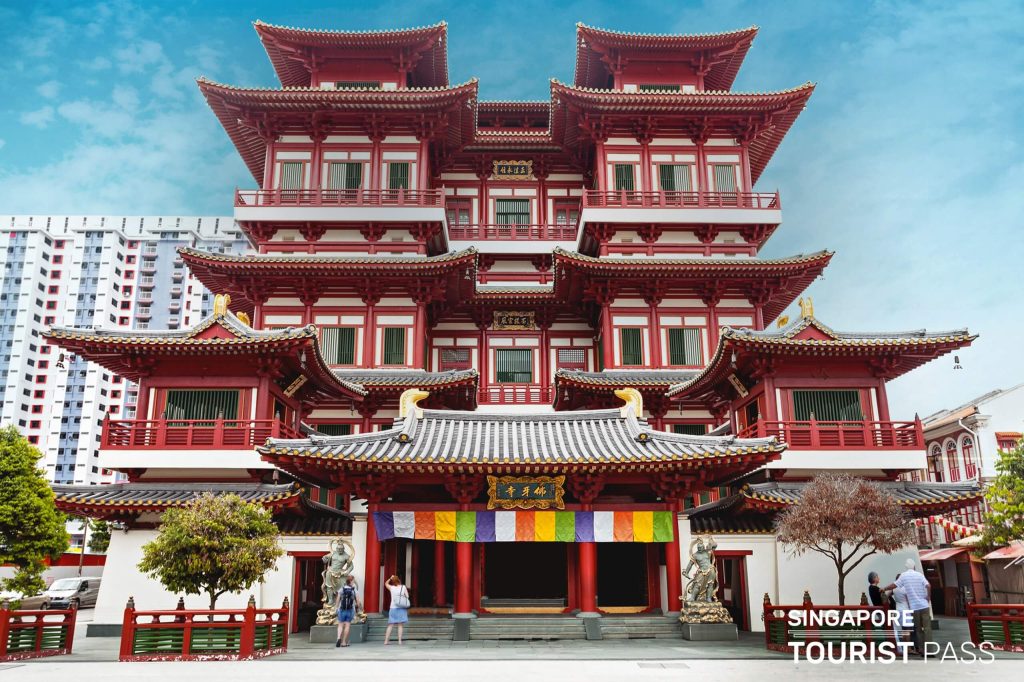
Whether you’re a history enthusiast or a curious traveler, visiting these historic sites will give you a richer understanding of Singapore’s journey from a fishing village to a global city.
1. Fort Canning Park
Why Visit?
Fort Canning Park sits on a small hill in the heart of Singapore and is one of the oldest historical sites on the island. It has witnessed centuries of transformation, from the days of ancient kings to British colonial military use.
Highlights
- Archaeological Remains: Excavations have uncovered artifacts dating back to the 14th century, including a palace believed to belong to the ancient Singapura kingdom.
- Battlebox: A former WWII British underground command centre open for tours, offering insight into Singapore’s wartime history.
- Colonial Structures: Fort walls, barracks, and old gateways remain as reminders of British military presence.
- Gardens and Trails: Scenic walking paths dotted with historical markers and sculptures.
Tips
- Guided tours of the Battlebox are highly recommended.
- Combine your visit with nearby Clarke Quay and Chinatown for a full-day historical and cultural experience.
2. Chinatown Heritage Centre
Why Visit?
Located in the heart of Chinatown, this museum offers an immersive glimpse into the lives of early Chinese immigrants who helped build modern Singapore.
Highlights
- Restored Shophouses: The centre is housed in traditional pre-war shophouses.
- Replica Living Quarters: Detailed recreations of cramped living conditions in the early 1900s.
- Audio-Visual Exhibits: Personal stories, artifacts, and interactive displays about struggles, culture, and traditions.
- Cultural Insights: Learn about clan associations, temples, and community life.
Tips
- Visit during the day to combine with Chinatown’s street markets and temples.
- Allocate 1.5 to 2 hours for a thorough experience.
3. The National Museum of Singapore
Why Visit?
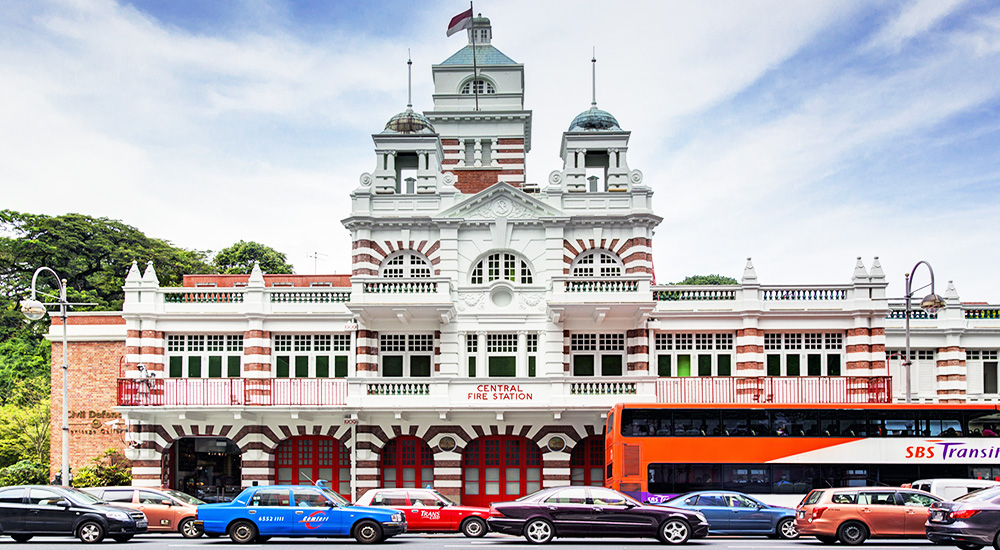
Singapore’s oldest museum, established in 1887, presents the country’s history through cutting-edge exhibits blending artifacts with modern technology.
Highlights
- Singapore History Gallery: A chronological journey from ancient times to the present.
- Special Exhibitions: Rotating displays on culture, arts, and heritage.
- Architecture: A beautiful colonial-era building enhanced with contemporary extensions.
- Interactive Displays: Engaging multimedia presentations suitable for all ages.
Tips
- Check the museum’s website for current exhibitions.
- Guided tours and audio guides enrich the visit.
4. Kampong Glam and Sultan Mosque
Why Visit?
Kampong Glam is the historic Malay-Muslim quarter, showcasing Islamic heritage and culture in Singapore.
Highlights
- Sultan Mosque: An iconic mosque with a golden dome and intricate architecture, central to the community since 1824.
- Malay Heritage Centre: Exhibitions on Malay history, arts, and culture.
- Arab Street: Traditional textile shops, spice markets, and Middle Eastern cuisine.
- Colorful Streets: Photogenic streets filled with murals and traditional shopfronts.
Tips
- Respect mosque visiting hours and dress modestly when entering.
- Explore nearby cafés offering traditional Malay and Middle Eastern food.
5. Little India and Sri Veeramakaliamman Temple
Why Visit?
Little India is a vibrant district rich in Indian culture, religion, and commerce.
Highlights
- Sri Veeramakaliamman Temple: One of Singapore’s oldest Hindu temples, known for its ornate façade and colorful statues.
- Tekka Centre: A bustling market offering fresh produce, textiles, and Indian delicacies.
- Cultural Festivities: Experience vibrant festivals like Deepavali with street decorations and performances.
- Street Art and Architecture: Explore the district’s colorful streets and heritage buildings.
Tips
- Visit during festivals for a lively experience.
- Try local Indian sweets and snacks at market stalls.
6. Raffles Hotel and the Colonial District
Why Visit?
Raffles Hotel is a symbol of Singapore’s colonial past, renowned for its luxury and historic significance.

Highlights
- Colonial Architecture: Elegant white façade, verandas, and tropical gardens.
- The Long Bar: Birthplace of the famous Singapore Sling cocktail.
- Heritage Walks: Explore nearby colonial buildings like the Old Parliament House and Victoria Theatre.
- Historical Stories: Learn about the hotel’s role in Singapore’s social and cultural history.
Tips
- Enjoy a meal or afternoon tea at the hotel for a quintessential experience.
- Combine with a walking tour of the Civic District.
7. The Battle of Singapore Memorials
Why Visit?
Several sites commemorate Singapore’s experience during World War II and the Japanese occupation.
Highlights
- Kranji War Memorial: Honors Commonwealth soldiers who died defending Singapore.
- The Changi Museum: Exhibits on POW camps, life under occupation, and the resilience of the local population.
- Fort Siloso: Coastal fortifications with WWII exhibits.
- Bukit Timah Nature Reserve: Site of intense fighting during the war.
Tips
- Allocate time for reflective visits.
- Combine museum visits with nearby parks and trails.
8. The Asian Civilisations Museum
Why Visit?
This museum focuses on the diverse cultural roots of Singapore’s peoples, tracing connections across Asia.
Highlights
- Artifacts and Art: Ceramics, textiles, jewelry, and religious items from China, Southeast Asia, South Asia, and beyond.
- Special Exhibitions: Exploring cultural exchanges, maritime history, and traditional arts.
- Colonial Building: Situated along the Singapore River in a beautiful historic structure.
Tips
- Great for understanding the multicultural fabric of Singapore.
- Check for guided tours or workshops.
9. Thian Hock Keng Temple
Why Visit?
One of the oldest Chinese temples in Singapore, Thian Hock Keng is a spiritual and architectural treasure.
Highlights
- Traditional Architecture: Intricate wood carvings, tiled roofs, and stone sculptures.
- Cultural Significance: Dedicated to Mazu, the sea goddess, reflecting the importance of seafaring communities.
- Festivals and Events: Celebrate Chinese festivals with vibrant rituals.
Tips
- Visit early to experience a serene atmosphere.
- Respect religious practices during your visit.
Conclusion
Singapore’s historic places offer a fascinating journey through time, revealing the island’s multicultural heritage, colonial history, wartime resilience, and rich traditions. These sites not only preserve the past but also celebrate the diverse cultures that have shaped Singapore’s identity today.
Exploring these locations provides a deeper appreciation of Singapore beyond its modern facade, enriching your travel experience with meaningful stories and cultural insights.